
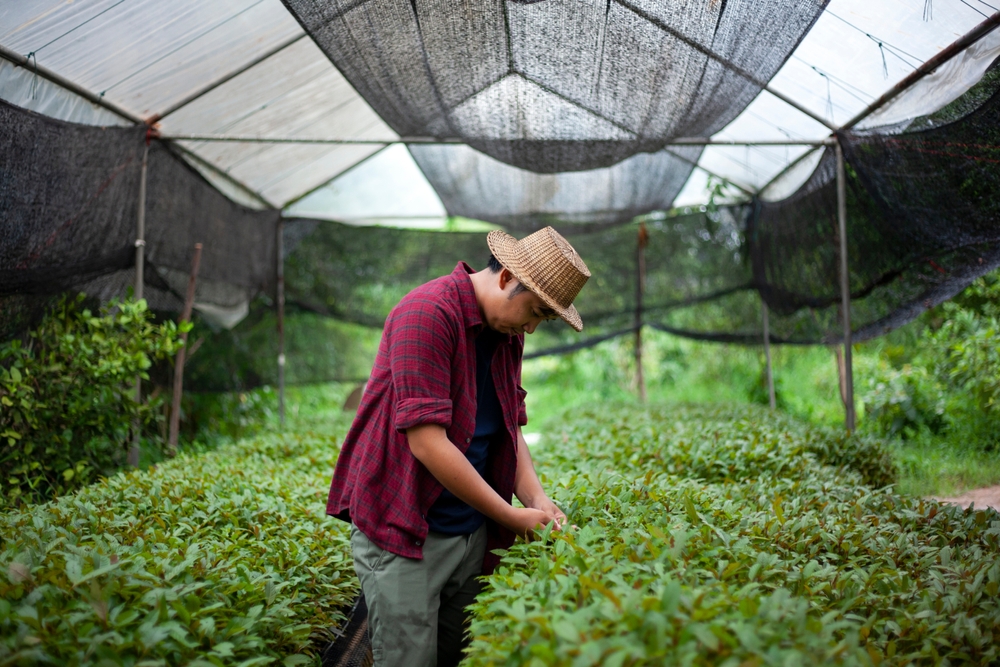

Introduction: Delving into the world of botanicals, enthusiasts often find themselves drawn to the allure of growing their own plants. For those intrigued by the medicinal wonders of Kratom, cultivating this Southeast Asian native at home can be a rewarding journey. In this comprehensive guide, we’ll explore the ins and outs of growing Kratom, from seed to harvest.
Understanding Kratom: Kratom, scientifically known as Mitragyna speciosa, is a tropical tree indigenous to Southeast Asia, particularly Thailand, Malaysia, Indonesia, and Papua New Guinea. Renowned for its diverse alkaloid profile, Kratom has been traditionally used for its stimulating and analgesic properties. Today, it garners attention worldwide for its potential therapeutic benefits.
Getting Started: Before embarking on your Kratom-growing venture, it’s essential to gather the necessary materials. You’ll need fresh Kratom seeds or cuttings, nutrient-rich soil, suitable containers or a dedicated outdoor space, adequate sunlight or grow lights, and a keen attention to detail.
Choosing the Right Location: Kratom thrives in warm, humid climates, mimicking its native habitat. If you reside in a region with mild winters, you can opt to grow Kratom outdoors, ensuring it receives ample sunlight and protection from harsh elements. Alternatively, indoor cultivation allows for greater control over environmental variables, making it ideal for growers in less hospitable climates.
Planting and Care: When planting Kratom seeds or cuttings, ensure they’re placed in well-draining soil with a pH level between 5.5 and 6.5. Keep the soil consistently moist, but avoid overwatering, as this can lead to root rot. Maintain a temperature range of 75 to 85 degrees Fahrenheit (24 to 29 degrees Celsius) and provide sufficient humidity, ideally between 60% and 70%.
Nutrition and Maintenance: To promote healthy growth, supplement your Kratom plants with a balanced fertilizer formulated for tropical species. Regularly inspect them for signs of pests or disease, promptly addressing any issues that arise. Pruning can also encourage bushier growth and enhance overall plant health.
Harvesting: Patience is key when it comes to harvesting Kratom leaves. Typically, it takes several years for a Kratom tree to reach maturity and yield viable leaves for harvesting. Once the leaves have reached their desired size and coloration, carefully pluck them from the branches. For optimal potency, consider drying the leaves before consumption or storage.
Conclusion: Growing Kratom at home is a labor of love that rewards enthusiasts with a deeper appreciation for this remarkable botanical. By following these guidelines and nurturing your Kratom plants with care, you can cultivate a thriving garden brimming with natural wonders. Embrace the journey, and may your green thumb lead you to bountiful harvests and newfound botanical wisdom.
If you are looking for a vendor with fresh product give us a try at moonkratom.com/shop/
Support the legality of Kratom by going to American Kratom Association
You must be logged in to post a comment.